
News
GHK-Cu Peptide: Unlocking Premium Wellness and Anti-Aging Benefits in India
Discover Why BioPeptide Sets the Gold Standard for Pure Peptides in India
What to Look for When Buying Quality Peptides Online: An Expert Buyer’s Guide
Why BioPeptide Is India’s Trusted Choice for 99% Pure Peptides in Health Optimization
The Science Behind GHK-Cu: Exploring India’s Most Premium Peptide for Health and Wellness
How to Effectively Incorporate Injectable Peptides Into Your Daily Wellness Routine
Learn how to follow an injectable peptides usage guide safely—choose the right peptide, set a dosing routine, use sterile technique, and track results with professional oversight for better wellness outcomes.
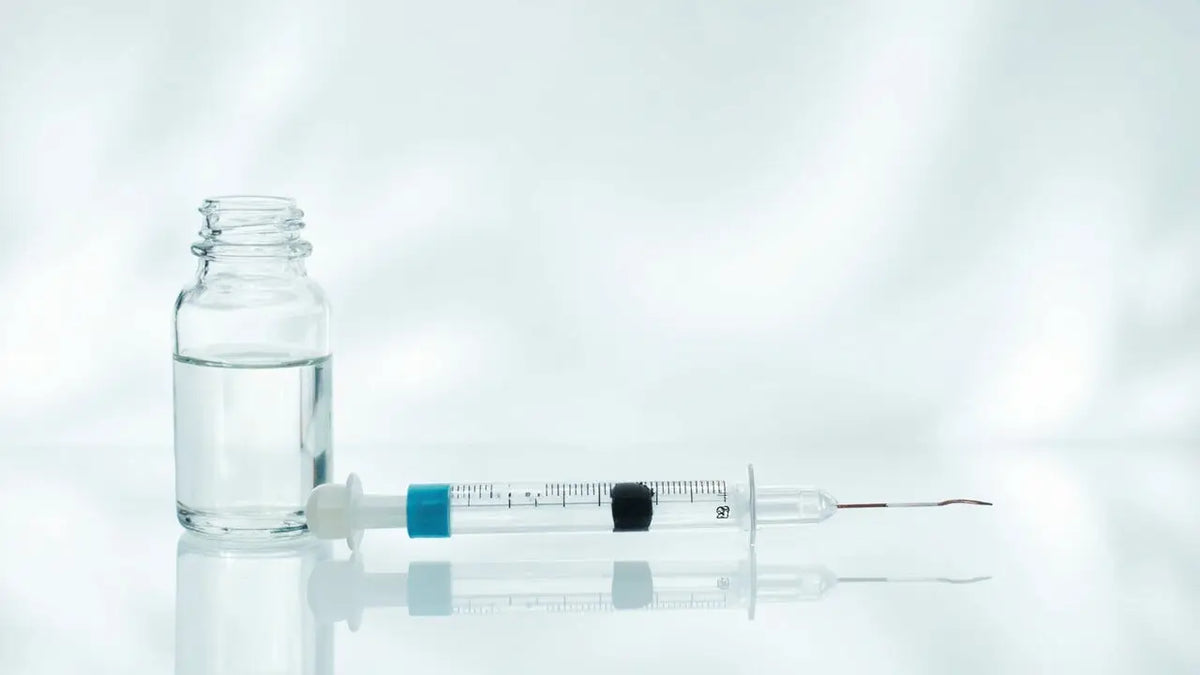
Follow this injectable peptides usage guide to prep a sterile workspace, reconstitute correctly, inject safely, and track results—plus learn why BioPeptide’s 99% purity promise matters.
Where to Buy Peptides in India: Your Guide to Premium, Pure Choices
Where to Buy Peptides in India: Your Guide to Premium, Pure Choices—learn how to assess purity, quality assurance, shipping, and supplier reputation, and see why BioPeptide.in is a trusted option for 99% pure peptides.
BPC 157 Peptide: How It Supports Effective Weight Loss and Recovery
Have you heard about the bpc 157 peptide and its emerging role in weight loss and body recovery? This peptide, originally discovered for its powerful healing capabilities, is now gaining attention in the weight loss community for its unique benefits. Beyond simply aiding fat reduction, bpc 157 peptide supports tissue repair and helps speed up recovery, making it a promising tool for those striving to improve body composition while maintaining an active lifestyle. Let’s dive into the science behind bpc 157, how it supports weight loss, and what it can do to enhance your overall wellness journey.
Understanding the BPC 157 Peptide and Its Mechanisms
What Is BPC 157 Peptide?
BPC 157, sometimes referred to as bpc157 or combined with other peptides such as tb 500, is a synthetic peptide derived from a protective protein found naturally in the human stomach. This peptide fragment consists of 15 amino acids and is renowned primarily for its regenerative properties.
Unlike typical weight loss supplements that target appetite or metabolism alone, bpc 157 operates at the cellular level to promote healing and tissue regeneration. This unique mode of action means it supports recovery from injuries, reduces inflammation, and can improve gut health — all factors that influence overall metabolic function and body composition.
How BPC 157 Works in the Body
The peptide facilitates rapid angiogenesis (new blood vessel formation), which improves blood flow to damaged tissues. It also modulates the production of growth factors, helping repair muscles, tendons, ligaments, and nerves more efficiently. By reducing inflammation and protecting against oxidative stress, bpc 157 creates an optimal environment for recovery and sustained physical activity.
These mechanisms indirectly support weight loss by enabling more consistent and effective workouts, faster recovery times, and improved metabolic health.
BPC 157 Weight Loss Benefits: Beyond Fat Burning
Supporting Recovery for Enhanced Fat Loss
Weight loss is not just about burning fat — recovery plays a critical role. BPC 157 peptide aids in repairing connective tissues and muscles after exercise, reducing downtime and allowing users to maintain a higher intensity and frequency of workouts. Faster recovery supports a more active lifestyle, which is crucial for sustainable fat loss.
Healing the Gut to Improve Metabolism
Emerging research shows that BPC 157 supports the integrity of the gastrointestinal tract by protecting against ulcers and promoting mucosal healing. A healthy gut can optimize nutrient absorption and hormone signaling related to hunger and metabolism, which plays an important role in effective weight management.
This gut-healing effect offers indirect but powerful support for individuals seeking to lose weight, especially those who have digestive challenges that interfere with metabolism and appetite control.
Common Uses of BPC 157 Peptide in Weight Management
Combining BPC 157 With TB 500 for Synergistic Effect
BPC 157 is often paired with tb 500, another peptide known for its anti-inflammatory and tissue-healing properties. Together, these peptides can further accelerate recovery from injuries and reduce chronic inflammation, making exercise more sustainable. This combination is popular among athletes and active individuals focused on body composition and fat loss.
Using BPC 157 for Injury Prevention and Enhanced Mobility
Maintaining mobility is essential for continuing an active routine that burns calories and supports fat loss. BPC 157 helps protect joints and tendons from damage, lessening the risk of exercise-related injuries that can stall progress. It can also aid recovery from past injuries that might limit physical activity.
By promoting mobility and reducing pain, BPC 157 supports consistent workout habits — a cornerstone of effective weight loss.
How to Incorporate BPC 157 Peptide Safely
Administration and Dosage
BPC 157 peptide is typically administered via subcutaneous or intramuscular injection. Dosage can vary depending on individual needs, but a common protocol involves daily injections ranging from 200 mcg to 500 mcg, often combined with tb 500 for enhanced benefits.
Because peptide therapy is specialized, it’s important to consult with a knowledgeable healthcare provider who can tailor dosages and treatment duration based on personal health status and goals.
Safety and Side Effects
BPC 157 is generally well-tolerated with few reported side effects. Mild reactions such as redness or irritation at injection sites may occur but usually resolve quickly. No significant adverse effects have been documented in scientific studies, making it a relatively safe option when used responsibly under professional supervision.
Practical Tips for Maximizing Weight Loss With BPC 157
- Combine With Regular Exercise: Use BPC 157 to support injury recovery and join consistent strength training and cardio sessions to boost fat burning.
- Maintain a Nutrient-Dense Diet: Healing and weight loss both require proper nutrition, so focus on a balanced diet rich in protein, healthy fats, and fiber.
- Integrate Peptide Therapy Into a Holistic Plan: Peptides like BPC 157 are effective when paired with lifestyle factors such as good sleep, stress management, and hydration.
- Track Progress and Adjust: Monitor your body's response to BPC 157 and adjust dosing in consultation with your healthcare provider for optimum results.
Frequently Asked Questions About BPC 157 and Weight Loss
Can BPC 157 directly burn fat?
BPC 157 primarily helps weight loss indirectly by improving healing, reducing inflammation, and enhancing recovery. It does not directly stimulate fat breakdown but creates conditions that facilitate more effective exercise and metabolism.
Is BPC 157 legal and safe to use?
While BPC 157 is not approved as a drug by regulatory agencies like the FDA, it is widely available for research use and considered safe by many practitioners. Always source peptides from reputable suppliers and use under medical supervision.
Conclusion: Unlocking the Weight Loss Potential of BPC 157 Peptide
BPC 157 peptide offers unique advantages in the realm of weight loss by supporting tissue repair, boosting recovery, and improving gut health—all key factors that enhance metabolism and allow for sustained physical activity. Combining bpc 157 peptide with a consistent exercise routine and healthy nutrition can create a powerful synergy for effective weight management and injury prevention. If you’re looking for a peptide that supports not just fat loss but whole-body recovery, BPC 157 is worth exploring. To learn more about how bpc 157 peptide can complement your wellness plan, consider consulting a qualified healthcare provider experienced in peptide therapy.
GHK Cu Peptide: A Complete Guide to Benefits and Skin Renewal
Have you ever wondered how a small molecule like the ghk cu peptide can profoundly affect skin renewal and repair? This naturally occurring peptide, known for its remarkable ability to bind copper, plays a critical role in skin regeneration, anti-aging, and wound healing. Understanding the composition, structure, and biological activity of the ghk cu peptide offers valuable insight into why it has become a key ingredient in innovative skincare and therapeutic products. In this guide, we'll explore the science behind peptide ghk cu, its copper complex, and the molecular mechanisms that underpin its many skin benefits.
What Is GHK Cu Peptide?
Composition and Molecular Structure
The ghk cu peptide is a naturally occurring tripeptide consisting of three amino acids: glycine, histidine, and lysine—hence its designation as the GHK tripeptide. This small molecule has a unique ability to form a complex with copper ions, specifically copper(II), producing the biologically active compound ghk cu copper. The copper ion attaches mainly to the histidine residue, stabilizing the peptide and enabling it to execute a vast range of biological functions.
Significance of the Tripeptide Structure
This tripeptide backbone is crucial for ghk cu peptide’s activity. The short three-amino acid chain allows the molecule to penetrate skin layers efficiently and interact with cellular receptors. Moreover, this minimal structure supports its binding affinity for copper, which is essential for its regenerative effects. The small size and high specificity make it an ideal candidate for topical formulations and therapeutic usage.
The Role of Copper in GHK Cu Peptide
Why Copper Is Essential
Copper is an essential trace element vital to many biochemical processes, including enzymatic reactions involved in skin health. When bonded to the ghk peptide, copper's bioavailability and stability are enhanced, allowing for targeted delivery to skin cells where it can stimulate repair and regeneration. This relationship between peptide and metal ion is the foundation of the ghk cu peptide’s remarkable effectiveness.
Copper’s Biological Functions in Skin Renewal
GHK cu copper acts as a cofactor for several enzymes such as lysyl oxidase, which is necessary for cross-linking collagen and elastin—two proteins fundamental to skin structure and elasticity. Additionally, copper’s redox properties help regulate antioxidant defenses, protecting skin cells from oxidative stress and inflammation, both of which accelerate aging and tissue damage.
Key Benefits of GHK Cu Peptide
Enhancement of Collagen and Elastin Production
One of the most well-documented benefits of ghk cu peptide is its ability to stimulate synthesis of collagen and elastin. These proteins are critical for maintaining skin firmness, elasticity, and youthful appearance. By increasing collagen production, peptide ghk cu can reduce the appearance of fine lines, wrinkles, and skin laxity.
Promotion of Wound Healing and Skin Repair
The ghk cu peptide actively accelerates wound healing by recruiting immune cells to injury sites, stimulating blood vessel growth (angiogenesis), and regulating metalloproteinases that remodel extracellular matrix proteins. This multifaceted approach improves skin resilience and speeds up recovery from cuts, burns, or other damage.
Additional Skin Benefits
- Reduction of photodamage, hyperpigmentation, and skin redness
- Anti-inflammatory and antioxidant properties that protect from environmental stressors
- Improvement of overall skin clarity, texture, and hydration
- Stimulation of hair follicle health and hair growth in some applications
Understanding GHK Cu Tripeptide’s Mechanism of Action
Gene Expression Modulation
Recent studies show that ghk cu peptide influences gene expression related to tissue repair, antioxidant defense, and inflammation reduction. It can upregulate genes that promote collagen production and cell regeneration, while downregulating genes associated with inflammation and aging.
Interaction with Skin Cells
GHK cu copper enhances the activity and viability of dermal fibroblasts, the cells responsible for producing the skin's connective tissue. It also promotes the proliferation of basal epidermal cells, increasing skin turnover and regeneration capacity.
Applications of GHK Cu Peptide in Skincare and Medicine
Cosmetic and Anti-Aging Formulations
Owing to its skin renewal benefits, ghk cu peptide is widely used in creams, serums, and masks aimed at reducing wrinkles, firming skin, and improving skin tone. Its ability to enhance collagen synthesis contributes to a more youthful appearance and smoother skin texture.
Therapeutic Uses
Beyond cosmetics, peptide ghk cu shows promise in therapeutic contexts such as wound care and recovery from dermatological procedures. Its capacity to accelerate healing, reduce inflammation, and support skin barrier restoration makes it valuable for treating chronic wounds and post-surgical recovery.
Safety and Efficacy of GHK Cu Peptide
Well-Documented Safety Profile
Studies confirm that ghk cu peptide is safe and non-toxic, even at nanomolar concentrations used in cosmetic products. The peptide is naturally found in human plasma and bodily fluids, with levels declining with age, which correlates with the observed regenerative decline in elderly skin.
Considerations Regarding Copper Levels
Although copper is vital, maintaining an appropriate balance is essential because excess free copper can be toxic. However, when bound in the ghk cu peptide complex, copper is stabilized and safely delivered to target tissues without risking toxicity.
How to Incorporate GHK Cu Peptide Into Your Skincare Routine
Choosing the Right Product
Look for products that list ghk cu peptide or copper peptide ghk cu among their ingredients, preferably formulated with delivery systems like liposomes to enhance skin penetration. Consistent use can maximize benefits such as improved elasticity and wrinkle reduction.
Application Tips
- Apply on clean skin, preferably after cleansing and before moisturizing
- Use sunscreen during the day to protect rejuvenated skin from UV damage
- Start with lower concentrations to test skin tolerance
- Avoid layering with harsh exfoliants or retinoids initially to prevent irritation
Emerging Research and Future Directions
Expanded Therapeutic Potentials
Ongoing research is exploring ghk cu peptide’s role beyond skin health, including its effects on hair regeneration, anti-inflammatory pathways, and even neuroprotection. Its gene-modulating properties may open doors for treatments in chronic conditions and aging-related tissue degradation.
Innovations in Delivery and Formulation
Advances in nanotechnology and peptide stabilization are improving ways to deliver ghk cu peptide deeper into the skin with enhanced effectiveness. Formulations combined with antioxidants and other bioactives are being developed to amplify its benefits.
In summary, the ghk cu peptide is a remarkable tripeptide with a central role in skin renewal, mediated by its copper-binding properties and gene modulation abilities. From enhancing collagen synthesis to accelerating wound healing and protecting skin cells, this peptide offers comprehensive benefits for skin health and appearance. Whether incorporated in cosmetic products or explored for therapeutic applications, ghk cu peptide continues to demonstrate promising potential. To unlock its full advantages, consider exploring products featuring this ingredient and stay informed about ongoing research into its expanding roles.
GHRP 6 Peptide: A Complete Guide to Muscle Growth and Recovery
Have you ever wondered how some athletes and bodybuilders accelerate muscle growth and recovery naturally? The ghrp 6 peptide is a standout among peptides that support muscle development by stimulating growth hormone release and enhancing recovery processes. This powerful peptide not only boosts muscle mass but also increases appetite, making it appealing for those looking to gain size and strength effectively. In this comprehensive guide, we’ll explore everything you need to know about the ghrp 6 peptide, its benefits, and how it stacks up against other popular ghs peptides.
What Is GHRP 6 Peptide?
Overview and Mechanism of Action
GHRP 6 peptide, short for Growth Hormone Releasing Peptide-6, belongs to the class of growth hormone secretagogues (GHS peptides). These peptides function by stimulating the pituitary gland to release more human growth hormone (HGH), which plays a critical role in muscle growth, fat metabolism, and tissue repair. Unlike growth hormone itself, GHRP 6 encourages the body to produce HGH naturally, supporting a more balanced hormonal response.
How GHRP 6 Influences Muscle Growth
The increase in HGH resulting from ghrp 6 peptide administration promotes muscle protein synthesis, a fundamental process for muscle hypertrophy. HGH also stimulates the release of insulin-like growth factor 1 (IGF-1), which works directly at the muscle tissue level to encourage cell growth, repair, and regeneration. Together, these effects enhance muscle size, strength, and recovery, which is why GHRP 6 has become popular among athletes seeking anabolic support.
Benefits of GHRP 6 Peptide for Muscle Growth
Accelerated Muscle Growth and Repair
Using ghrp 6 peptide triggers a surge of growth hormone that facilitates accelerated muscle growth by:
- Increasing muscle protein synthesis to repair damaged fibers
- Stimulating satellite cell activation to promote hypertrophy
- Enhancing collagen production, supporting connective tissue strength
Improved Recovery and Reduced Muscle Fatigue
After intense workouts, muscles require time and resources to heal. GHRP 6 helps expedite this process by reducing inflammation and promoting efficient tissue repair. Athletes using this peptide often experience less soreness and faster recovery between training sessions, allowing for more consistent and intensive workouts.
GHRP 6 and Appetite Stimulation
How GHRP 6 Increases Hunger
In addition to promoting muscle growth, ghrp 6 peptide uniquely stimulates the release of the hunger hormone ghrelin. This leads to a noticeable increase in appetite, which can be beneficial for those needing to consume more calories to support muscle gain or recover from caloric deficits.
Benefits of Appetite Stimulation in Muscle Building
For hard gainers or athletes with high energy demands, increasing appetite is often a challenge. GHRP 6 addresses this by:
- Encouraging increased caloric intake naturally
- Supporting the anabolic environment needed for muscle growth
- Helping maintain adequate nutrition during intensive training cycles
Comparing GHRP 6 to Other GHS Peptides
GHRP 6 vs. Ipamorelin
Ipamorelin is another popular growth hormone secretagogue and shares a similar mechanism with ghrp 6 peptide in encouraging HGH release. However, Ipamorelin tends to cause less appetite stimulation and fewer side effects such as water retention. For users prioritizing a mild hunger increase, GHRP 6 may be preferable, while Ipamorelin is favored when controlling food intake is desired.
GHRP 6 vs. GHRP 2 and Hexarelin
GHRP 2 is closely related to GHRP 6 but generally induces a stronger GH surge and appetite increase. Hexarelin, a synthetic peptide, is known for powerful receptor binding and longer-lasting effects but can sometimes lead to more side effects. GHRP 6 offers a balance of efficacy and tolerability, making it a solid choice within the GHS peptides family.
Administration and Dosage Guidelines
Typical Dosage and Cycle Length
GHRP 6 peptide is commonly administered through subcutaneous injections due to its peptide nature and digestion in the gastrointestinal tract when taken orally. The typical dosage ranges from 100 to 300 micrograms per injection, usually given 2 to 3 times per day for optimal growth hormone pulses. Cycles typically range from 6 to 12 weeks, depending on individual goals and response.
Best Practices for Use
- Inject on an empty stomach for maximum GH release
- Avoid eating 20–30 minutes before and after dosing
- Combine with peptides like CJC-1295 for synergistic effects
- Ensure sourcing from reputable suppliers to guarantee purity
Potential Side Effects and Safety Considerations
Common Side Effects
While generally well-tolerated, some users may experience mild side effects such as:
- Increased hunger
- Water retention or mild edema
- Tingling or numbness at injection site
- Temporary joint stiffness
Long-Term Safety and Precautions
Because GHRP 6 peptide promotes endogenous HGH release, it may affect insulin sensitivity and blood sugar regulation in some cases. Users should monitor blood glucose levels if they have pre-existing metabolic conditions. As with any peptide therapy, consulting a healthcare professional before use is advisable, especially for those with hormonal imbalances or chronic illnesses.
How GHS Peptides Like GHRP 6 Fit into Muscle Growth Regimens
Stacking with Other Peptides
Many athletes combine GHRP 6 peptide with growth hormone-releasing hormones (GHRHs) such as CJC-1295 to amplify HGH secretion. This peptide stacking approach can lead to more significant increases in muscle protein synthesis and improved recovery outcomes.
Integrating Training and Nutrition
Peptides like GHRP 6 are most effective when paired with consistent strength training and a protein-rich diet. The increased appetite benefit helps athletes meet their caloric and macronutrient needs, maximizing the anabolic environment needed for muscle hypertrophy.
Summary and Next Steps
The ghrp 6 peptide stands out as a potent and versatile growth hormone secretagogue with notable benefits for muscle growth, recovery acceleration, and appetite stimulation. Its ability to naturally increase HGH production offers a safe alternative to direct hormone administration, supporting anabolic processes critical to bodybuilding and athletic performance. When used responsibly and combined with proper nutrition and training, ghrp 6 peptide can significantly enhance muscle gains and recovery times. To explore more about how ghrp 6 peptide and other ghs peptides might fit into your fitness goals, consider consulting healthcare professionals and validated sources to formulate a tailored regimen that aligns with your needs.